
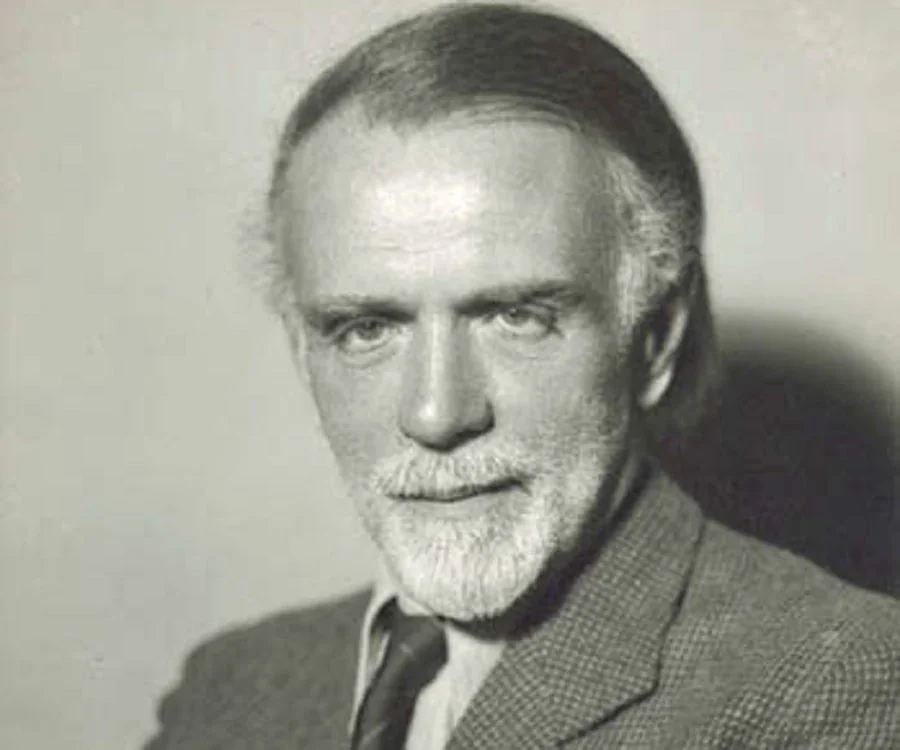
Zoltán Kodály (1882–1967) was a Hungarian composer, ethnomusicologist, and educator whose work helped shape the musical identity of 20th-century Hungary. Alongside Béla Bartók, he collected and preserved traditional Hungarian folk songs, incorporating their melodies and rhythms into his compositions. Known for works such as Háry János and Dances of Galánta, Kodály also developed an influential approach to music education that continues to be used worldwide.
Zoltán Kodály
Intermezzo for String Trio (1905)
Composed in 1905, Kodály’s Intermezzo for violin, viola, and cello is an early work that reflects his growing fascination with Hungarian folk music. The piece combines lyrical melodies, gentle pizzicato accompaniment, and expressive interplay among the three instruments. Its warm, pastoral character and contrasting middle section offer a glimpse of the distinctive musical voice Kodály would develop throughout his career.